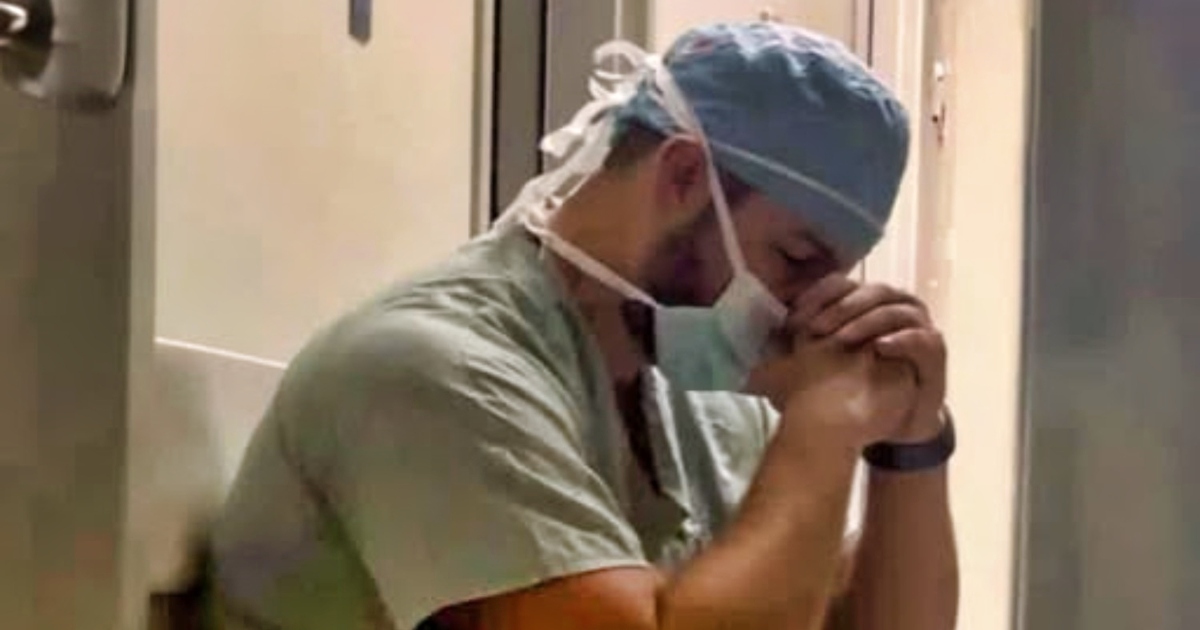
Twenty years ago, Mark was a young cardiothoracic surgery resident facing his first major solo case: a five-year-old boy named Ethan clinging to life after a catastrophic car accident. The operating room became a stage for high-risk precision as Mark repaired a ventricular rupture and a shattered aorta; his world shrank to the boy’s dark eyelashes and the rhythmic hum of the heart-lung machine. When the verdict of “stable” finally rang out, Mark stepped into the hallway and discovered that the boy’s mother was Emily—his first love from high school. They shared a brief, charged moment of recognition before life pulled them in different directions again, leaving Mark with a precious memory and Ethan with a lightning-shaped scar on his face.
Two decades later, Mark was a seasoned veteran of the operating room, his life a solitary cycle of grueling shifts and technical mastery. His routine was shattered one morning in the hospital parking lot by an angry young man with a familiar scar, shouting that Mark had “ruined his life.” The young man was Ethan, now twenty-five, distraught and furious because Mark’s car was blocking the way to the emergency room. In the passenger seat sat Emily, ashen-faced and in the midst of a collapse from a massive aortic dissection. In the blink of an eye, the rage in the parking lot gave way to the cold, calculated urgency of the trauma bay as Mark realized he was about to operate on the same woman whose son he had saved twenty years earlier.

The operation was a brutal race against time, a surgical mirror image of the night he gave Ethan life. Mark navigated the angry rupture in Emily’s aorta with the steady hands of a master, driven by the instinctive need to ensure this family survived their second brush with death. When the word “stable” echoed through the operating room for the second time, it felt like a cosmic circle was closing. As he removed his gloves, Mark found Ethan in the corridor; the young man’s rage had morphed into the raw vulnerability of a son terrorized by the fear of losing his mother. There, in the sterile silence of the intensive care unit, Mark revealed that he was the surgeon who, two decades earlier, had given Ethan both his lightning bolt and his life.
This revelation fundamentally changed Ethan’s perspective, transforming years of resentment into a profound realization of what he had almost lost. He confessed that for years he had hated his scar and the pain the accident had brought upon his family; yet, in the shadow of his mother’s impending death, he understood that he would endure it all again just to keep her with him. This moment of reconciliation forged a bridge between the surgeon and the family he had saved twice, proving that while scars are lasting reminders of trauma, they are also testaments to survival and the love that makes every struggle worthwhile.
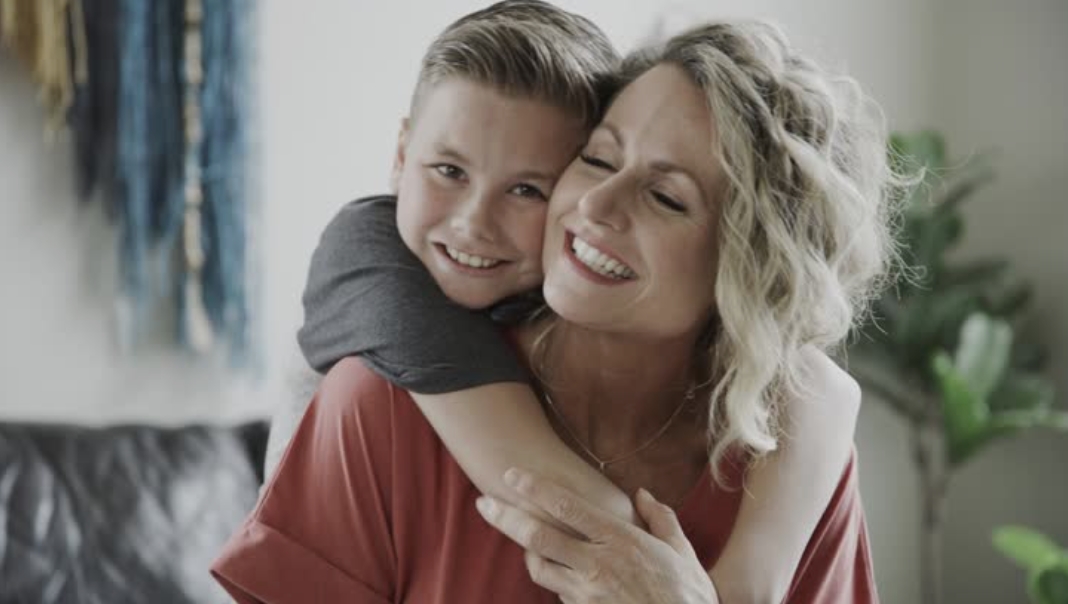
Emily’s recovery opened a door that had remained closed since high school. She was no longer a ghost from a past life, but a constant presence, challenging Mark’s stubbornness and inviting him back into a world that didn’t reek of disinfectant. Their relationship evolved into a quiet, enduring companionship, often joined by Ethan, who finally came to see his “ruined” life as a gift to be protected. Mark, once a man focused solely on the mechanics of the heart, finally found a way to be part of the lives he had dedicated his career to saving. He realized that sometimes the best medicine is simply not to disappear when the surgery is over.