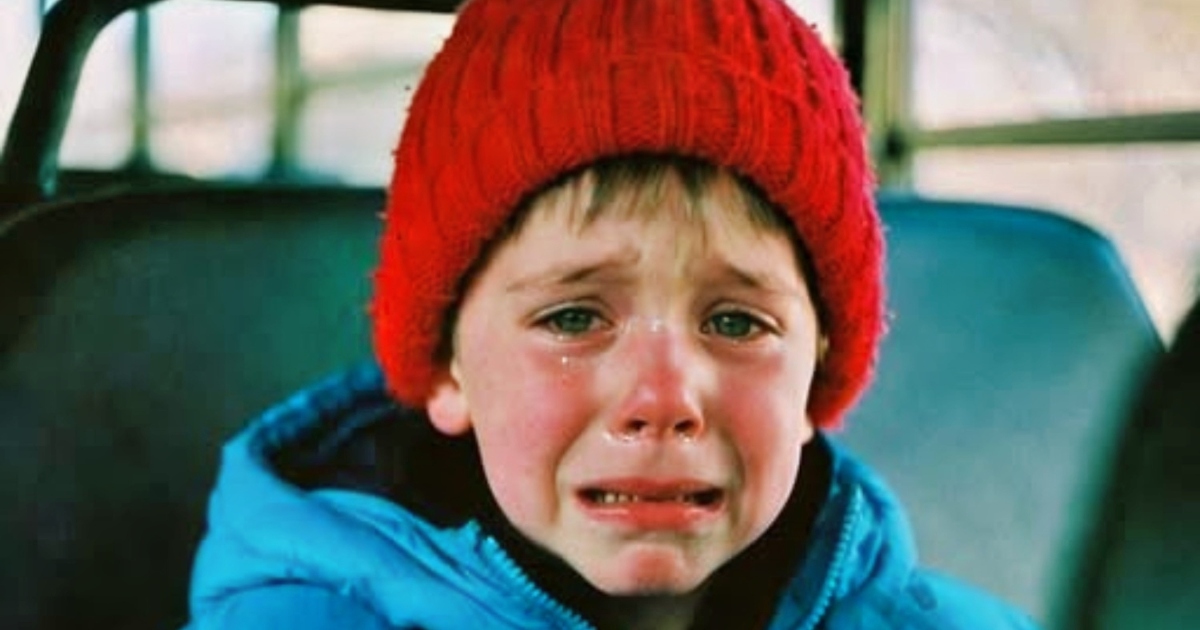
Gerald, a school bus driver with 15 years of experience, never expected that a simple act of compassion during a biting winter morning would ignite a community-wide movement. In a small town where he was used to being the invisible shepherd of the local youth, a routine post-route inspection led him to a seven-year-old boy named Aiden, huddled in the back of the bus with blue, swollen fingers. Upon learning that Aiden’s family was struggling and couldn’t afford new gloves, Gerald immediately sacrificed his own lunch money and coffee to buy a thick set of winter gear and a “superhero” scarf. He placed them in a modest shoebox behind his seat with a note inviting any cold child to take what they needed, never realizing that his quiet generosity was being observed.
The ripples of Gerald’s kindness traveled fast, reaching the school administration after Aiden’s parents—a firefighter recovering from a line-of-duty injury and his wife—expressed their profound gratitude. The principal, Mr. Thompson, revealed that Gerald’s “creaky yellow beast” had become the birthplace of a school-wide initiative. What started as a single shoebox transformed into the “Warm Ride Project,” a fund and donation system designed to provide winter essentials to any child in need, no questions asked. The movement caught fire as local businesses, parents, and even retired teachers began flooding the school with coats, hats, and hand-knitted caps to ensure no student suffered in the cold.
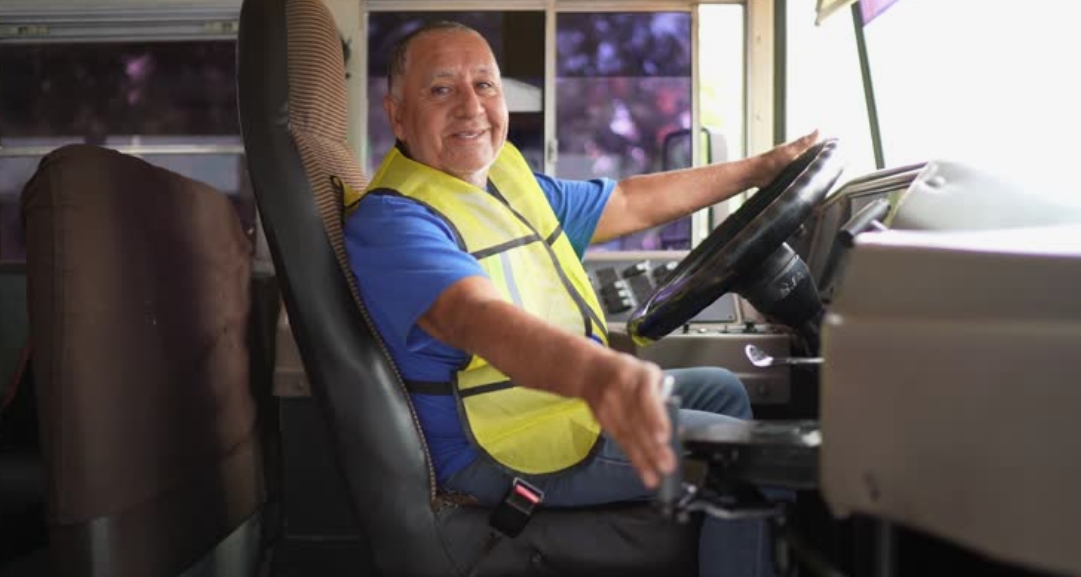
As winter progressed, the school bus evolved into a sanctuary of warmth and mutual support. Gerald found his steering wheel decorated with a crayon drawing from Aiden, labeling the bus driver a hero, while the anonymous shoebox overflowed with thank-you notes from children who no longer felt the sting of cold or the shame of lack. The project expanded beyond Gerald’s route, becoming a district-wide standard that removed the barriers of poverty one scarf at a time. For Gerald, the “peanuts” he earned in salary were suddenly outweighed by the immense emotional wealth of seeing his students walk to class with their heads held high and their hands warm.
The emotional climax of the story occurred during a spring assembly, where Gerald was unexpectedly called to the stage as a local hero. In a room filled with standing ovations, he was introduced to Aiden’s father, Evan, who stood in his firefighter uniform to offer a tearful thanks. Evan whispered that Gerald’s kindness hadn’t just protected his son; it had saved his spirit during the family’s darkest financial and physical trial. This encounter underscored the true power of community: that a bus driver’s watchful eye could offer a lifeline to a first responder in his moment of vulnerability.
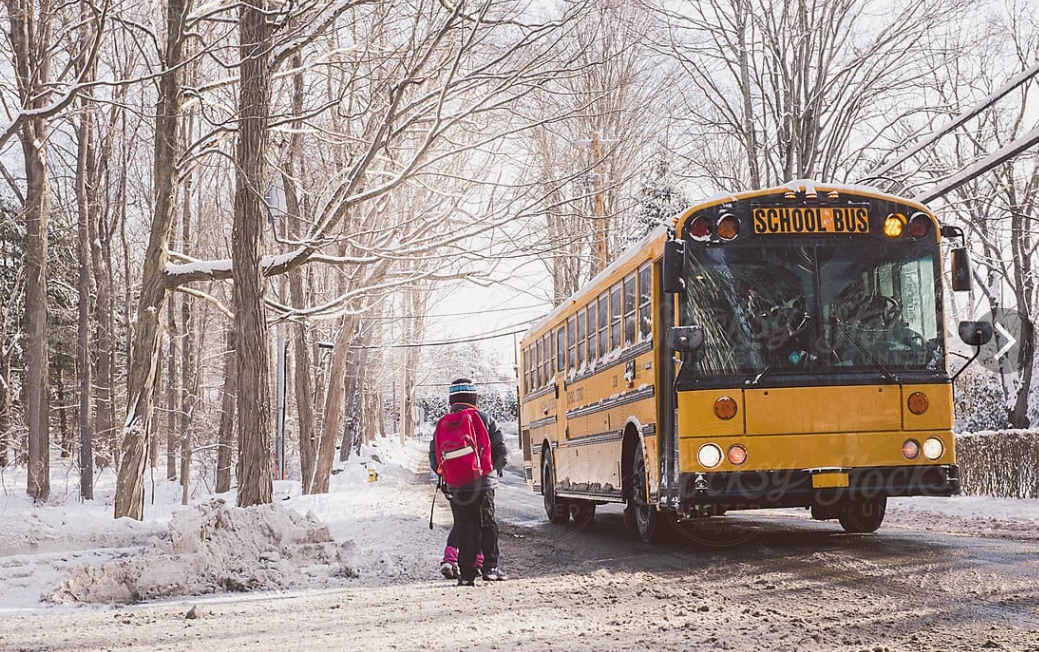
Ultimately, Gerald’s journey redefined the meaning of “honest work” for everyone in his town. He realized that his role wasn’t merely to navigate a vehicle through snow and fog, but to be a vigilant guardian of the children in his care. By paying attention to the small, silent struggles of a single passenger, he transformed a cold, creaky bus into a vehicle of hope and inspired a town to look out for one another. Gerald no longer sees himself as just a driver; he is the architect of a “Warm Ride” that continues to prove that the smallest acts of kindness often carry the most weight.